Skip free rubbish collection N1 Islington streets guide
Posted on 28/05/2026
If you live or work in N1, chances are you have already met the awkward middle ground between a quick clear-out and a full skip. The streets are busy, parking is tight, and a skip can feel like overkill for a load of old furniture, builders' offcuts, or the stuff that somehow builds up in a spare room. This Skip free rubbish collection N1 Islington streets guide is here to make the process simple, practical, and a bit less stressful.
Whether you are clearing a flat near Upper Street, shifting renovation waste from a terrace, or just trying to get rid of bulky items without blocking the pavement, the skip-free route can be a smart fit. It is often quicker, more flexible, and kinder to the realities of Islington streets. And truth be told, on a wet Thursday morning in London, nobody wants a giant metal skip sitting outside for days if they do not need one.
This guide explains how skip-free rubbish collection works, when it makes sense, what to watch out for, and how to choose the right service for the job. You will also find a checklist, a comparison table, and a few practical tips that local residents tend to appreciate once the dust settles.
Why Skip free rubbish collection N1 Islington streets guide Matters
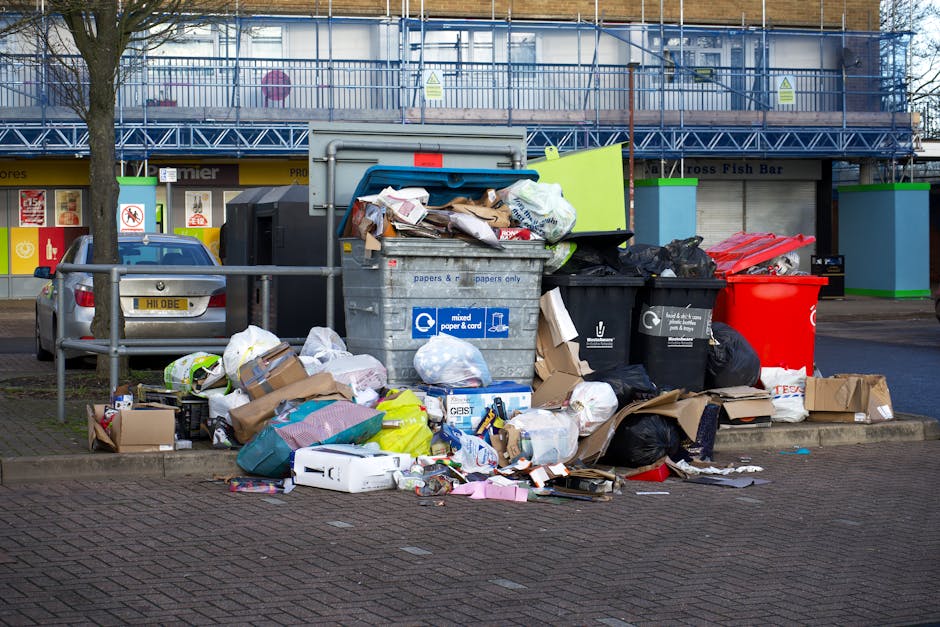
N1 is one of those areas where waste removal is never just about the waste. It is also about access, timing, neighbours, parking, and the simple fact that many streets are narrow, heavily used, and awkward for bulky vehicles. A skip might work perfectly in a suburban driveway. In Islington, not so much.
Skip-free rubbish collection matters because it gives you a way to clear rubbish without taking over the street. That can be a real advantage if you live on a busy road, in a flat with limited access, or in a property where a skip permit would add hassle. It also suits people who want waste removed quickly rather than left sitting outside for days.
For local households, landlords, estate agents, tradespeople, and small businesses, the decision often comes down to efficiency. Do you need a bin-sized container and a permit? Or would a pre-arranged collection be cleaner, simpler, and easier to manage? In many cases, skip-free collection is the quieter choice that just fits better with the rhythm of Islington life.
If you are also weighing up what kind of service you need beyond one-off collection, a broader look at the available waste services in Islington can help you match the job to the right solution.
Expert summary: Skip-free rubbish collection is usually most useful where access is tight, timing matters, or you want waste gone without the visual and practical disruption of a skip sitting on the street.
How Skip free rubbish collection N1 Islington streets guide Works
The idea is straightforward. Instead of hiring a skip and arranging space for it, a waste collection team arrives at a scheduled time, loads the rubbish directly, and takes it away. No container is left behind, and there is usually much less disruption around the property. Simple enough, but there are a few moving parts behind the scenes.
First, the waste is usually assessed by type and volume. That matters because builders' rubble, old furniture, garden cuttings, and mixed household junk all behave differently. A good collection service will want to know what you have, how much there is, and whether anything needs special handling. That is not bureaucracy for its own sake; it helps prevent unpleasant surprises on the day.
Second, access is checked. In N1, that can mean stairways, basement flats, top-floor walk-ups, tight mews entrances, or a street where stopping for long is just not practical. The route from your property to the vehicle matters more than people often expect. A pile of waste at the kerb is one thing. Carrying it three flights down a narrow staircase is another story entirely.
Third, the collection is completed and the materials are sorted for disposal, reuse, or recycling where possible. Many residents prefer this because it feels tidy and direct. No waiting for a skip to be filled slowly. No temptation to over-order "just in case".
If your waste is mainly domestic rather than renovation-related, it may also be worth reading about domestic waste collection in Islington to see how routine clear-outs fit into the local picture.
What "skip free" usually means in practice
In plain English, it usually means one of these:
- a man-and-van style rubbish collection
- a scheduled one-off clearance without a skip on the road
- a direct load-and-go service for bulky or mixed waste
- a tailored collection for a flat, house, office, or site clean-up
The exact format depends on the provider, but the common thread is the same: no skip sitting outside your property for half the week, attracting rainwater, seagulls, and complaints from the neighbour who has "just popped out" five times to inspect it.
Key Benefits and Practical Advantages
The most obvious benefit is convenience. You book the collection, the waste is removed, and your street remains clear. But that is only the beginning.
1. Less disruption
Skipping the skip means you skip the mess. There is less time spent worrying about where a container should go, whether it will block access, and whether it needs a permit. For many N1 properties, that alone is enough to make the decision.
2. Better for tight streets
Islington's narrower roads and parking pressure can make skip placement difficult. Skip-free collection avoids a lot of that friction. It is often the more realistic option for residents in terraces, conversions, maisonettes, and flats above shops.
3. Faster turnaround
In many cases, collection can be arranged quickly and completed in one visit. That is useful if you are moving out, finishing a refurbishment, or simply trying to clear space before visitors arrive. Nobody wants a stack of broken chairs still hanging around when people turn up for dinner.
4. Better control over volume
With a skip, people sometimes overestimate what they need and end up paying for space they do not use. Skip-free rubbish collection can be more flexible, especially for mixed loads or medium-sized clearances.
5. Cleaner streetscape
It sounds small, but it matters. A street without a skip tends to look and feel calmer. That can reduce neighbour irritation and avoid the slightly chaotic look of a half-filled container sitting near a corner for days.
For people who care about where the waste ends up, it is also worth reviewing a provider's recycling and sustainability approach. The best results are not just about removal; they are about responsible handling afterwards.
Who This Is For and When It Makes Sense
Skip-free rubbish collection is not the answer to every rubbish problem, but it is a strong fit for quite a few real-world situations.
- Flat owners and tenants who do not have enough space for a skip
- Homeowners dealing with a loft, garage, or spare-room clear-out
- Landlords and agents preparing a property between tenancies
- Tradespeople with a smaller load after repairs or fit-outs
- Office managers clearing desks, chairs, and general clutter
- Busy households that want bulky items gone quickly
It makes sense when the waste is substantial enough to need a proper collection, but not so vast that you need a full-scale site clearance. If you are emptying a one-bedroom flat after a tenancy, removing a few old wardrobes, or clearing renovation leftovers from a bathroom refit, skip-free collection can sit in the sweet spot.
It also makes sense when access is the main headache. For example, if you live off Upper Street and parking is already a daily puzzle, placing a skip may feel like asking for trouble. If that sounds familiar, the local advice in our Upper Street rubbish removal tips is worth a look.
And if you are weighing things up as part of a bigger move, the area-focused guides on living in Islington and local real estate in Islington can give useful context around property types, access, and everyday practicality.
Step-by-Step Guidance
Here is the cleanest way to approach a skip-free rubbish collection in N1. Nothing fancy. Just a sensible sequence that saves time.
- Sort the waste into broad groups. Separate reusable items, recyclables, general rubbish, and anything that may need special handling.
- Take a rough inventory. A quick list helps you describe the job properly. "Three wardrobes, a mattress, some broken shelving, and bagged household waste" is far more useful than "a bit of stuff".
- Check access. Measure doorways if needed, note any stairs, and think about where items need to be moved from. If the route is awkward, say so early.
- Ask for a clear quote. Good quotes should reflect the waste type, volume, and access conditions. If something seems vague, ask for clarification before booking.
- Confirm timing. In a busy area like N1, a narrow arrival window is often more practical than an all-day wait.
- Prepare the items. Bag loose waste, disconnect appliances if appropriate, and keep pathways clear. A few minutes of prep can shave a lot of faff off the collection.
- Let the team load and sort. A professional crew should handle lifting, loading, and responsible disposal so you do not have to micromanage every box.
If the job is more involved than expected, a broader clearance service may be the better fit. In that case, waste clearance in Islington is a useful next step to compare against a lighter collection-only approach.
Expert Tips for Better Results
The difference between a smooth collection and a stressful one is often in the prep. A few small decisions make a surprisingly large difference.
- Be precise about what you have. Mixed waste is fine, but say whether it includes furniture, white goods, builders' rubble, or green waste.
- Separate anything that can be reused. A usable chair or table may be better passed on, not thrown out. That is not just practical; it is a better use of resources.
- Watch for hidden extras. Mattresses, fridges, and heavier construction waste may affect the quote or handling method.
- Book before the pile grows. This sounds obvious. People still wait too long. Then the hallway becomes a holding bay and everyone gets grumpy.
- Keep access as open as possible. Move bikes, prams, and fragile items out of the route ahead of time.
- Ask how items are sorted after collection. A responsible provider should be able to explain the basic disposal process in plain language.
A local office clear-out, for instance, is often much easier if cables are coiled, paper is boxed, and old chairs are grouped by type. The same logic applies to domestic jobs, just in smaller chaos. And yes, chaos is sometimes the right word.
For business premises, office clearance in Islington can be a better fit than a one-off general rubbish pickup if you are dealing with desks, shelving, and larger mixed items.
Common Mistakes to Avoid
Most problems with rubbish removal come from assumptions. The job looks simple, so people skip the details. That is where the pain starts.
- Assuming everything counts as standard waste. Some items need extra handling or separate disposal.
- Underestimating the volume. A pile that looks small in the corner can become a very different beast once it is collected and loaded.
- Ignoring access issues. A narrow staircase or limited parking can change the whole booking.
- Leaving sorting until the last minute. Loose mixed items slow things down and can complicate the quote.
- Choosing a provider on price alone. Cheap is not always simple. Sometimes it is just cheap, and then the surprises begin.
- Forgetting about safety. Heavy lifting, sharp edges, and awkward loads can cause injury if the team or household tries to rush it.
The biggest mistake, really, is treating rubbish removal like a one-size-fits-all service. It rarely is. A small flat clearance, a post-renovation load, and an office strip-out each have their own rhythm.
Tools, Resources and Recommendations
You do not need a toolkit the size of a builder's van, but a few simple items make the process easier.
- Strong bags or boxes for loose items and small materials
- A tape measure if access is tight or you have large furniture to move
- Labels or marker pens to keep reusable and disposable items separate
- Basic gloves if you are doing any pre-sorting yourself
- A simple room-by-room note of what needs removing
It also helps to choose a provider that is transparent about pricing, payment, and safety. If you want to understand how a professional service structures its quotes, the page on pricing and quotes is useful. For reassurance around handling and site safety, insurance and safety information is worth reviewing as well.
And if you are comparing services more broadly, the main rubbish collection service in Islington and waste disposal options can help you decide whether you need a small clear-out, a more structured collection, or something closer to a full clearance.
Law, Compliance, Standards, or Best Practice
Waste removal is one of those services where trust matters. You are handing over responsibility for unwanted items, and you want to know they are being managed properly. In the UK, reputable operators should follow relevant waste-handling duties, transport rules, and good disposal practice. You do not need to memorise the legal framework, but you do need to choose carefully.
At a practical level, best practice usually means:
- using a properly authorised waste carrier
- keeping disposal methods transparent
- separating recyclable materials where feasible
- handling waste safely, especially sharp or heavy items
- providing clear paperwork or booking details where appropriate
If a collection company cannot explain how it handles waste, that is a warning sign. If it cannot explain where the waste goes in general terms, another warning sign. You do not need a lecture. You just need confidence that the job is being done responsibly.
You can also review the company's waste carrier licence and compliance page to understand how responsible waste transport is approached. That kind of transparency is a good sign, plain and simple.
For businesses, compliance becomes even more important. Office waste, commercial rubbish, and refurbishment debris may need more careful planning than a domestic clear-out. If that is your situation, look at commercial waste removal in Islington before you book.
Options, Methods, or Comparison Table
If you are deciding between skip-free collection and other rubbish removal routes, the simplest answer is to compare the practical impact, not just the price tag.
| Method | Best for | Strengths | Limitations |
|---|---|---|---|
| Skip-free rubbish collection | Homes, flats, offices, awkward-access properties | Fast, flexible, no skip on the street | Less suitable for very large volumes |
| Skip hire | Projects with ongoing waste over several days | Good for sustained DIY or building work | Needs space, may require permits, can be intrusive |
| Full house or office clearance | Large moves, probate, end-of-tenancy, major declutter | Comprehensive, often hands-off for the customer | May be more than you need for a small job |
| Bulky item collection only | Single items or a few large pieces | Simple and focused | Not ideal for mixed loads |
As a rule of thumb, choose the lightest service that realistically fits the job. If you only need a few furniture pieces gone, do not build a solution around a giant container. If you are clearing an entire flat, do not try to solve it with a tiny collection either. Obvious, yes. Yet people do it all the time.
If furniture is a major part of the load, you may find furniture removal in Islington or furniture disposal services more appropriate than a generic rubbish booking. For white goods, the dedicated appliance disposal service is usually the safer choice.
Case Study or Real-World Example
Imagine a first-floor flat near Angel with a mix of old furniture, bagged household waste, a broken chest of drawers, and a small stack of cardboard from a recent move. The stairwell is narrow, the street is busy, and the resident does not want a skip taking up space outside the building for several days.
In that situation, skip-free rubbish collection is usually the neatest answer. The items can be grouped in advance, the team can arrive with a clear plan, and the waste can be removed in one visit. Because the access is tight, the resident avoids the hassle of arranging container placement, and the neighbours avoid living next to a metal box full of damp cardboard. Everyone breathes easier. Well, apart from the stairwell, which is still narrow.
Now take a slightly different case: a small refurbishment in a terraced property, with plasterboard offcuts, a bathroom suite, and a few damaged items. A skip might be worth considering if the work lasts several days. But if the renovation is short and the waste is ready to go at the end, a one-off collection may be more efficient and less disruptive.
These are the kinds of judgement calls that matter in N1. Not every clearance needs the same tool.
Practical Checklist
Use this before you book.
- Have you listed the waste types clearly?
- Do you know roughly how much needs removing?
- Is the access straightforward, or do stairs and narrow hallways need mentioning?
- Have you separated reusable items from waste?
- Do you know whether any items need special handling?
- Have you checked that the provider is transparent about compliance and disposal?
- Have you asked for a clear quote with no vague extras?
- Is the collection time practical for your building and neighbours?
- Have you cleared the route to make loading easier?
- Do you know what happens to the waste after collection?
If you can tick most of those off, you are in good shape. If not, pause for five minutes and sort the details. That tiny bit of effort saves a lot of hassle later.
Conclusion
Skip-free rubbish collection in N1 is really about making waste removal fit the way Islington actually works: busy streets, limited space, mixed property types, and people who do not want avoidable disruption outside their front door. For many homes and businesses, it is the cleaner, quicker, and more practical choice.
When the job is matched properly to the waste type, the access, and the timing, the result feels almost effortless. That is the aim. Not a dramatic project. Just a tidy outcome, fewer headaches, and a street that still looks like a street at the end of the day.
Get a free quote today and see how much you can save.
If you are still comparing options, start with the scale of the job, then work backwards. That little bit of planning usually leads to the right answer, and it is oddly reassuring once you get it right.


 Tipper Van - Waste Disposal and Rubbish Clearance Prices in Islington, N1
 Luton Van - Waste Disposal and Rubbish Clearance Prices in Islington, N1