













21/10/2026
If you need rubbish gone fast and you are comparing Cheap same day rubbish collection Islington...
Waste disposal in Islington should be straightforward, careful and suited to the kind of items you need removed. We provide a practical service for households, landlords, offices and tradespeople who want unwanted material taken away with minimal disruption. From one-off clearances to regular collection support, the aim is to remove waste in a way that is organised, lawful and easy to arrange.
The service is built around different kinds of load, access and timing. Some customers need furniture or white goods removed from a flat, others need mixed rubbish collected after a refurbishment, and some need a fuller property clearance. Our services overview explains the main options, while our approach always focuses on suitable handling, sensible sorting and the right disposal route for the material involved.
If you need waste disposal in Islington, you can request a quotation once you have a clear idea of what needs clearing. A short message with the type of waste and the collection point is usually enough to begin.
Household waste disposal is often needed when rubbish has built up over time, after decorating, or when bulky items are no longer wanted. This can include bagged household rubbish, broken household goods, packaging, old toys, clothing, small appliances and mixed domestic clutter. The key is to separate what can be removed directly from what may need more careful handling, especially if the load contains sharp, heavy or fragile items.
For domestic customers, we work in a way that keeps the process clear from the start. The collection plan depends on the volume of material, whether items are at the front of the property or higher up in a building, and whether there are stairwells, lifts or limited parking nearby. When you are ready, send the basic details and ask for a quote. If you would like to compare options, our pricing and quotes page is a useful place to start.
Many domestic jobs are broader than simple rubbish removal. They may include single-item disposal, half-room clearances, loft contents, cellar clutter or mixed waste that has accumulated during a move. We can also deal with items that need lifting carefully through communal areas or around awkward corners. The most efficient result usually comes from matching the load to the right service, rather than treating every collection as the same type of job.
Bulky items usually need more planning than bagged waste because they can be heavy, awkward or difficult to manoeuvre. Sofas, wardrobes, tables, beds, cabinets and mattresses are common examples, along with fridges, freezers, washing machines and other white goods. These items often require two people, the right vehicle space and a sensible route out of the property. Careful lifting matters, especially in narrow hallways, staircases and shared entrances.
Where mixed loads include furniture and appliances together, it helps to identify everything in advance so the collection can be organised efficiently. Some items may be reusable, while others are only suitable for disposal or recycling. Our furniture removal and white goods and appliance disposal pages set out these services in more detail, and they can help you choose the most appropriate route for your items.
Useful preparation is usually simple: separate items you want removed from anything you are keeping, make access as clear as possible, and note whether any pieces need dismantling before collection. If a lift is involved or parking is limited, that is worth mentioning early. For a straightforward start, you can request a quotation with a short list of the bulky items involved.
Some enquiries are better treated as clearances rather than simple collections. House clearance may involve furniture, general clutter, kitchen contents, loft items, household waste and assorted belongings that need to be sorted and removed in stages. Loft clearance, in particular, often involves awkward access, dust, old storage boxes and items that have been left untouched for years. The practical challenge is usually organisation rather than just lifting power.
Our house clearance and loft clearance pages describe these jobs in a more focused way. A clearance can be useful when a property is being prepared for sale, after a tenancy ends, or when a room needs to be emptied fully rather than partially. The scope can vary from a single loft to several rooms, so the quote normally depends on volume, access and the type of material removed.
For property work, it helps to identify any items that must stay behind, particularly if the space contains documents, fixtures or personal possessions. A simple room-by-room note is often enough to begin the arrangement. If the job is substantial, ask for a quotation and include whether the clearance is for one area or the whole property.
Business waste removal needs to be predictable, discreet and compatible with the way the premises operate. Office clearances may include desks, chairs, filing cabinets, shelving, electrical equipment, packaging and general office rubbish. Commercial waste collections can also involve mixed material from shops, workspaces, studios and smaller premises that need regular or occasional disposal support. The main priorities are access, sorting and keeping disruption to staff or customers as low as possible.
Where commercial material includes mixed office items, recycled materials and general refuse, it can be useful to separate the categories before collection. That helps the work proceed smoothly and makes the disposal route more straightforward. Our office clearance and commercial waste removal pages describe the available service types, while rubbish collection covers a broader set of day-to-day removals.
Business customers often benefit from giving a brief list of item types, the floor level and any access restrictions before the visit is arranged. That makes it easier to plan the right vehicle space and working method. If you need a quotation for a workplace collection, send the details in one message so the job can be assessed clearly.
A commercial collection tends to work best when the load is described by type rather than by guesswork. For example, mixed paper, office furniture and electronic equipment may each need different handling. The more accurately the load is described, the easier it is to match the service to the work required. For premises with regular needs, a repeat arrangement may be more suitable than a one-off clearance, depending on the amount and frequency of waste.
Building and renovation work produces waste that is often heavier, dustier and more varied than ordinary household rubbish. Builders waste can include timber offcuts, plasterboard, rubble, tiles, packaging, old fixtures, bathroom fittings and general site debris. These materials usually need to be collected in a way that keeps the area usable and reduces the risk of damage while work is still ongoing. Sorting the load before removal can make a notable difference to how efficiently the collection is completed.
For smaller refurbishment jobs or internal changes, it is often enough to remove the waste in batches as the work progresses. That can be more convenient than waiting for everything to accumulate. Our builders waste disposal page gives a clearer picture of this service, including the kind of material that may be included. If the job also involves a mix of leftover household items and site debris, a broader waste clearance may be the better fit.
When asking for a quotation, it is helpful to mention whether the waste is already bagged, whether it is loose, and whether any heavy items need carrying from upper floors or a rear garden area. That practical detail shapes both access planning and the final cost. For renovation work, clarity at the start keeps the collection more efficient.
Garden waste removal deals with organic material and outdoor clutter that can be awkward to move after pruning, landscaping or seasonal tidy-ups. Typical loads may include branches, soil, turf, hedge cuttings, leaves, plant pots, broken garden furniture and general outdoor rubbish. Some of this material is bulky but light, while other parts are compact and heavy, so the work often needs a careful balance between load size and lifting effort.
Outdoor collections can also involve access through side passages, shared paths or rear entrances, which is why a clear description of the layout is useful. Our garden waste removal page covers the main service in more detail. Where outdoor material is mixed with indoor clutter or leftover furniture, a broader clearance can be arranged so the whole load is dealt with in one visit.
Before asking for a quotation, it is useful to note whether the waste is stacked, bagged or spread out, and whether the collection point is easy to reach. A short description of the garden area and the type of material is usually enough to begin. If you are comparing services, a simple note about the volume can help determine whether garden waste removal or a wider clearance is more appropriate.
Islington is a well-known inner London district in the Borough of Islington, shaped by a long history of settlement, transport links and steady urban change. In the eighteenth and nineteenth centuries it developed from a mix of village streets, market gardens and suburban growth into a dense part of the capital, with terraces, squares and later commercial buildings layered across older routes. The area still shows that development in its street pattern: wide main roads sit alongside narrower residential streets, while former industrial and warehouse spaces have been adapted for modern use. Canonbury, Highbury, Barnsbury and Clerkenwell each contribute their own character, but the district is often recognised for the combination of historic fabric and everyday urban life. Upper Street remains one of the most prominent thoroughfares, lined with shops, cafés, theatres and public buildings that reflect the area's long commercial role. Angel is another familiar point of reference, with its busy interchange and nearby canals and waterside paths. To the east, the Regent's Canal forms an important physical and visual feature, connecting quieter stretches of towpath with more active neighbourhood edges. Green spaces such as Highbury Fields and smaller squares provide relief from the built environment, while local institutions, music venues and restaurants contribute to a varied cultural scene. The mix of Georgian terraces, post-war developments and contemporary buildings gives Islington a layered appearance rather than a single architectural style, and that variety is part of what makes it distinctive within north London.
Quotations for waste disposal are usually shaped by the amount of material, the type of waste and the access involved. A small pile of bagged rubbish will generally be assessed differently from a heavy clear-out with furniture, appliances or mixed debris. Access matters too: whether items are on a ground floor, in a loft, behind a narrow stairwell or in a controlled-entry building can all influence the work needed to complete the job safely and efficiently.
There are also practical differences between easy-to-handle items and loads that require more sorting or lifting. For example, a collection containing loose renovation waste, broken furniture and assorted domestic items may take more planning than one containing only bagged refuse. Our waste disposal page is the central service page, while the recycling and sustainability page explains the broader approach to handling materials responsibly where appropriate.
If you want to keep the process simple, send a concise description that mentions the item types, approximate quantity and how the property is accessed. That is usually enough to prepare a quotation without unnecessary back-and-forth. For larger or mixed jobs, a photograph can help, but a clear written summary is often the best place to begin before you request a quotation.
Responsible waste handling is part of any sensible disposal service, especially where different materials are collected together. Some items can be directed towards reuse or recycling, while others are only suitable for disposal through the correct waste stream. The practical goal is to keep collections organised and avoid treating every load as though it is identical. That is why the type of waste matters as much as the volume.
For customers who want to understand the standards behind the service, the waste carrier licence and compliance page and the insurance and safety page provide useful supporting information. These pages do not change the service itself, but they help explain the framework around lawful transport, careful handling and safer working practices. When disposal needs involve mixed materials, those basics become even more important.
To arrange the next step, use the contact page once you have decided what needs removing and when the collection should take place. A short outline of the job is enough to begin, and the final paragraph below gives the quickest way to move ahead.
If you need waste disposal in Islington for a home, flat, office or property clearance, we can help you find the right type of collection for the job. The best starting point is to identify the waste, note any access issues and decide whether the work is a simple removal or a broader clearance. That makes it easier to match the service to your situation without overcomplicating the process.
For a clear and direct enquiry, visit our contact us page and request a quotation with the basic job details. If you would like to review the wider service range first, the about us page offers additional context on the business.
Ready to get started? Send your waste details, ask for a quotation and arrange the collection that suits your property and timing.

GET A FREE QUOTE
Need extra space? We can arrange that for you!
Use our reliable waste disposal Islington company with great rates for all your issues in N1.
 Tipper Van - Waste Disposal and Rubbish Clearance Prices in Islington, N1
| Space іn the van | Loadіng Time | Cubіc Yardѕ | Max Weight | Equivalent to: | Prіce* |
| Minimum Load | 10 min | 1.5 | 100-150 kg | 8 bin bags | £90 |
| 1/4 Load | 20 min | 3.5 | 200-250 kg | 20 bin bags | £160 |
| 1/2 Load | 40 min | 7 | 500-600kg | 40 bin bags | £250 |
| 3/4 Load | 50 min | 10 | 700-800 kg | 60 bin bags | £330 |
| Full Load | 60 min | 14 | 900-1100kg | 80 bin bags | £490 |
*Our rubbish removal prіces are baѕed on the VOLUME and the WEІGHT of the waste for collection.
 Luton Van - Waste Disposal and Rubbish Clearance Prices in Islington, N1
| Space іn the van | Loadіng Time | Cubіc Yardѕ | Max Weight | Equivalent to: | Prіce* |
| Minimum Load | 10 min | 1.5 | 100-150 kg | 8 bin bags | £90 |
| 1/4 Load | 40 min | 7 | 400-500 kg | 40 bin bags | £250 |
| 1/2 Load | 60 min | 12 | 900-1000kg | 80 bin bags | £370 |
| 3/4 Load | 90 min | 18 | 1400-1500 kg | 100 bin bags | £550 |
| Full Load | 120 min | 24 | 1800 - 2000kg | 120 bin bags | £670 |
*Our rubbish removal prіces are baѕed on the VOLUME and the WEІGHT of the waste for collection.
If you need rubbish gone fast and you are comparing Cheap same day rubbish collection Islington...

If you have ever tried to arrange a bulk rubbish collection in Islington, you will know the job...
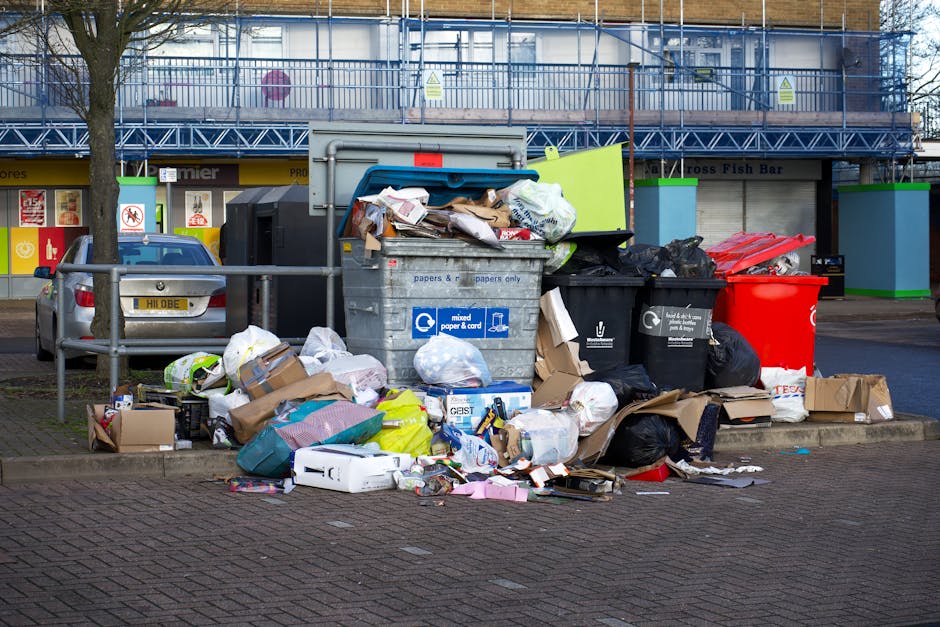
If you are comparing Rubbish removal quotes Islington real cost comparison, you are probably...
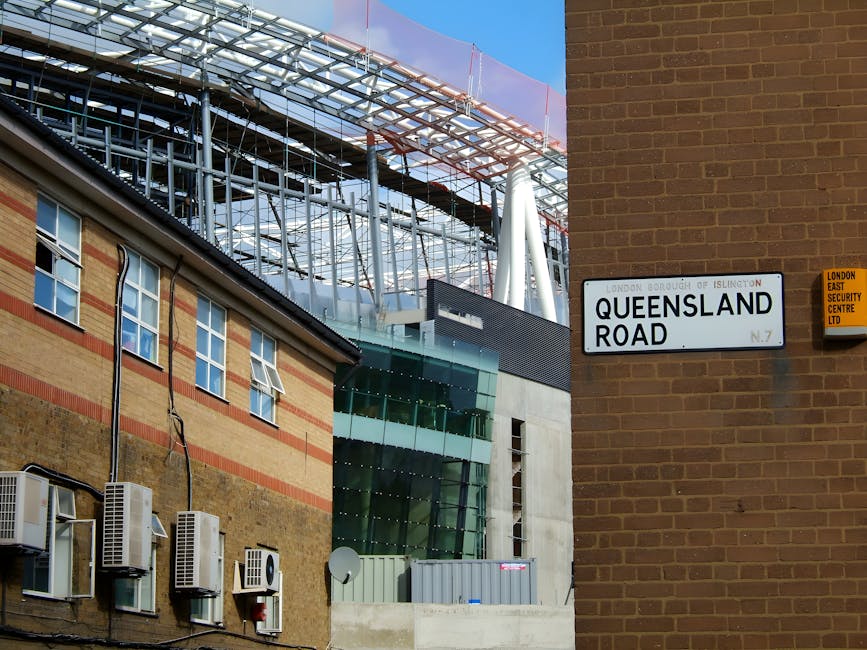
If you are planning a clear-out, renovation, or a big spring tidy in Islington, the question...
If you live in Islington, bulky rubbish can become a surprisingly expensive problem when it is...
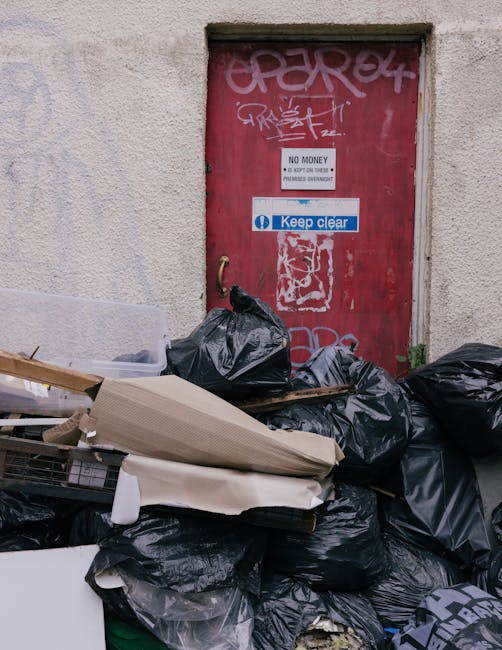
If you need rubbish cleared in Islington, the last thing you want is a surprise bill, a no-show,...

If you've ever booked rubbish removal and then stared at the final bill thinking, "Hang on, where...
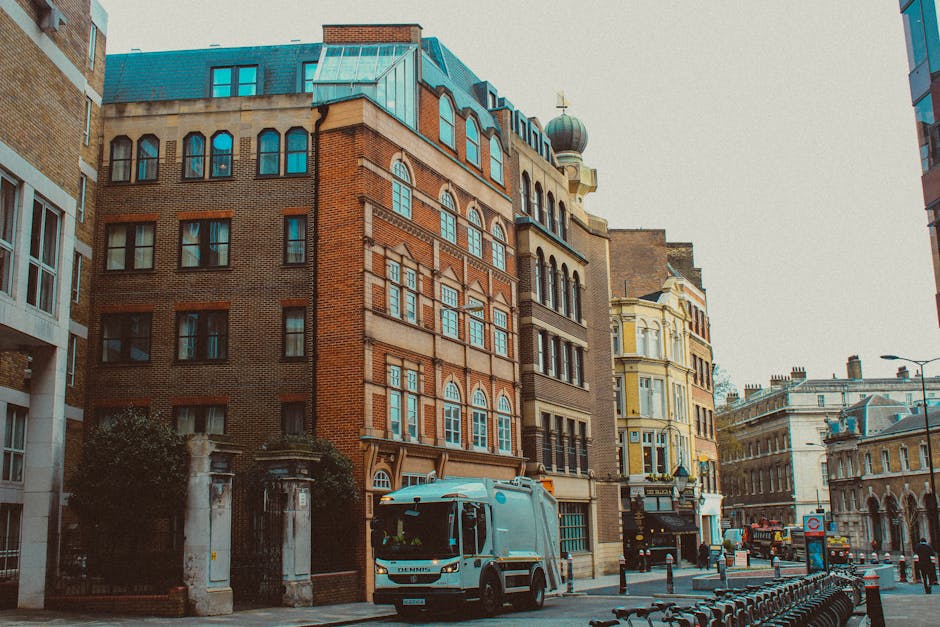
If you run a shop, cafe, office, salon, clinic, or small trade business around Highbury and...
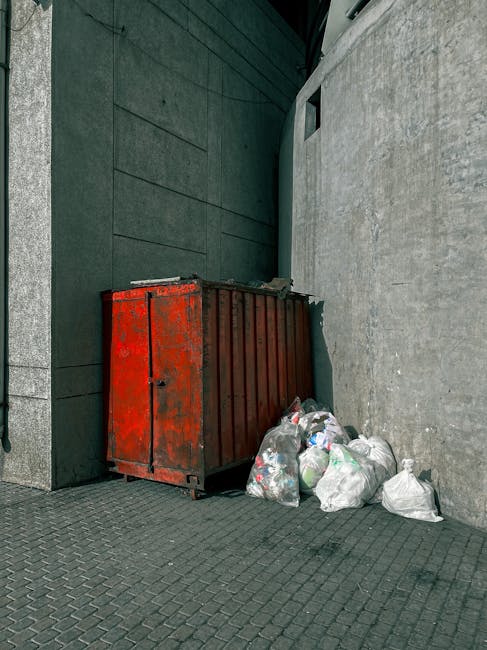
If you need rubbish gone today, it usually means the mess can't wait: a clearance before a...
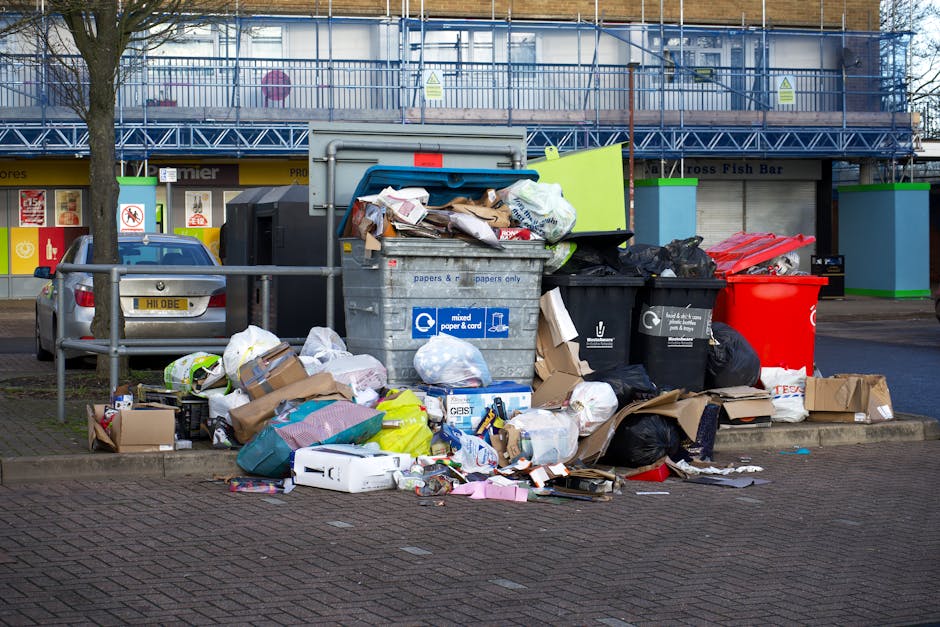
If you live or work in N1, chances are you have already met the awkward middle ground between a...

If you are trying to sort out waste disposal near Angel tube in Islington, the first question is...

If you live near Upper Street, you already know the rhythm of the area: busy pavements, tight...

 (83)
(83)